

What is origin logistics and why it matters before departure
The invisible stretch of the chain: what happens between the Chinese factory and the ship. Why origin logistics decides whether an import departs well or drags problems to destination.
 J. Mauricio Mosquera
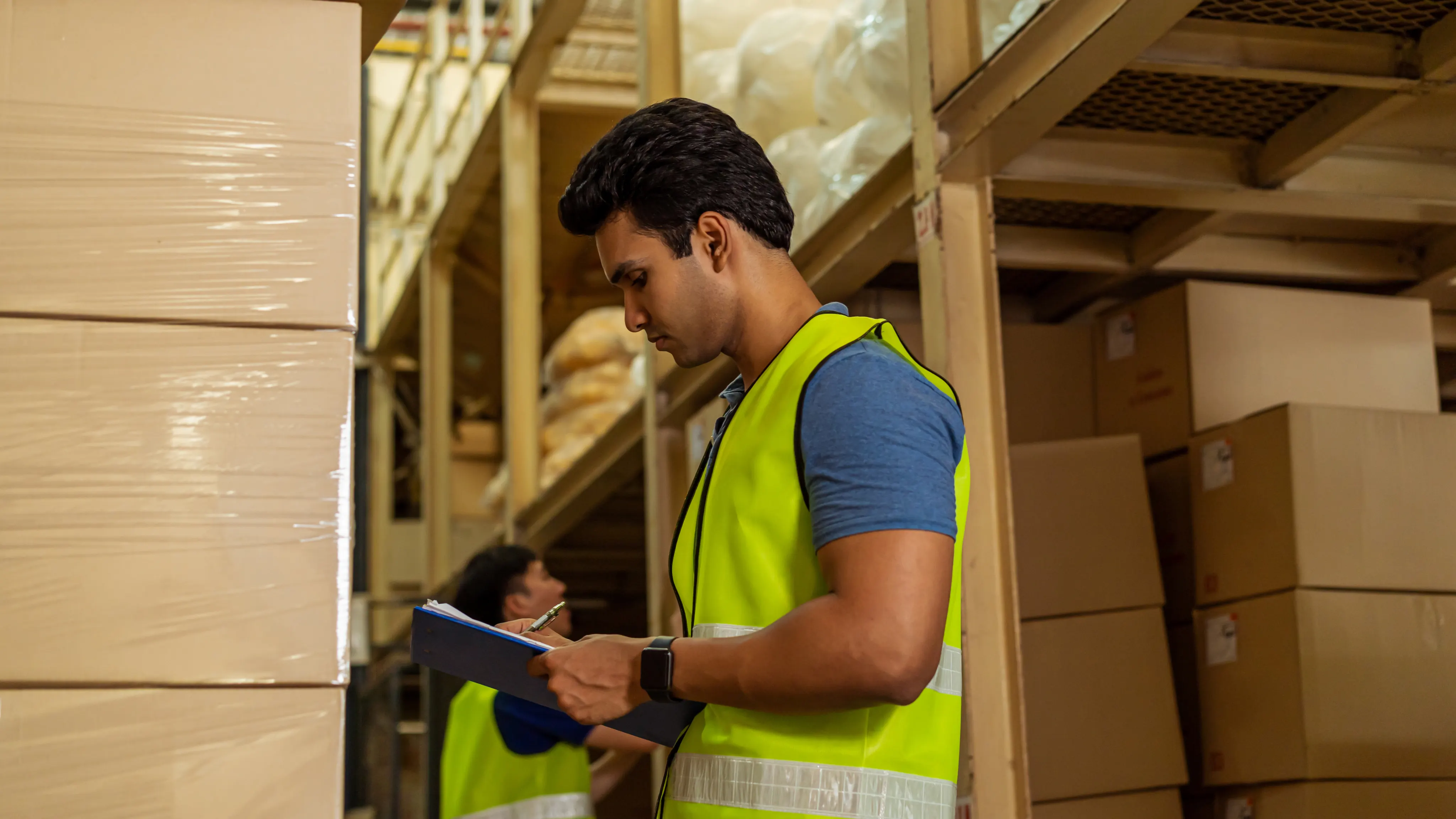
Origin logistics is the set of operations happening in China between the moment the supplier finishes production and the moment cargo departs for its destination. It is the stretch almost no one sees and yet concentrates most of an import's logistics risk: receiving goods, consolidating several suppliers, preparing export packing, coordinating documentation and handing over to the freight forwarder. When this stretch is controlled, cargo departs well; when neglected, problems travel with the container to destination.
The common mistake is thinking an import comes down to buying and booking freight. Between those two actions lies an operationally intensive phase that, mishandled, delays departure, damages goods or generates inconsistent documentation. Origin logistics is that phase.
Most of an import's problems arise neither at sea nor at destination customs: they arise in China, in the stretch between the factory and the ship.
What origin logistics includes
Origin logistics groups several chained operations. Each must close correctly for the next to work.
- Receiving goods: cargo leaves the factory and is received at a warehouse, where quantity and condition are confirmed.
- Consolidation: when buying from several suppliers, their cargo is gathered at one point to ship together.
- Export preparation and packing: goods are conditioned to withstand ocean transit and meet required marking.
- Documentary coordination: commercial invoice, packing list and other documents are gathered and verified before shipment.
- Handover to international transport: cargo moves to the port and is handed to the freight forwarder for booking.
Why consolidation is key
Consolidation is the operation that adds most value when buying from multiple factories. Without a neutral consolidation point, each supplier would ship separately, multiplying costs and misaligning shipment timing.
A consolidation warehouse in China gathers several suppliers' cargo, verifies it, packs it homogeneously and prepares it for a single container. This lowers freight cost, simplifies documentation and allows a single inspection before shipment. For an importer buying from five factories across provinces, consolidation is the difference between five uncoordinated shipments and one controlled container.
Origin logistics vs freight forwarding
The two functions complement each other but are not the same. Origin logistics controls goods before departure; freight forwarding controls international transport once cargo is ready.
| Origin logistics | Freight forwarding |
|---|---|
| Where it acts: in China, between factory and port. | Where it acts: between origin and destination port. |
| What it controls: receiving, consolidation, packing and documents. | What it controls: booking, freight and transport documentation. |
| When: before departure. | When: from departure to destination. |
Common mistakes in the origin stretch
Leaving consolidation to a supplier
No factory is neutral to coordinate a competitor's cargo.
Packing without considering ocean transit
Weak packing turns a weeks-long voyage into damaged goods.
Gathering documents after departure
Documentary inconsistency caught late stalls clearance.
Frequently asked questions
How PLT Logistic controls origin logistics
PLT Logistic runs origin logistics as its own pillar. Based in Guangzhou since 2018, we receive goods, consolidate several suppliers' cargo in our warehouse, prepare export packing, apply the pre-shipment inspection and coordinate documentation before handing cargo to international transport. The importer controls the stretch where risk concentrates without physical presence in China.
Buying from several suppliers in China and need to consolidate and control the cargo?
PLT Logistic runs origin logistics: it receives, consolidates, packs and coordinates documentation before departure.
No commitment · Free logistics assessment · Response within 24h
This article is written and reviewed by the operations team at PLT Logistic, a logistics operator with a physical base in Guangzhou (Baiyun district), China, since 2018. We coordinate freight forwarding, origin logistics, pre-shipment inspections and business representation in Mandarin every day for importers across Spain and Latin America.
Operational review: J. Mauricio Mosquera · Guangzhou, Guangdong · Last reviewed: August 25, 2026
You may also find this useful
 FREIGHT FORWARDING
FCL vs LCL: when to use each and how to decide
Operational differences between full-container and consolidated freight, the CBM break-even point, and when each mode reduces cost and risk more effectively.
 INSPECTIONS
Pre-shipment inspection in China: what it is and when to use it
What a pre-shipment inspection verifies, the inspection types and AQL sampling, and when it makes sense before paying the supplier's balance.
 FREIGHT FORWARDING
Freight forwarder vs customs broker: key differences
What each figure does, where responsibility starts and ends, and why importers usually need both so transport and customs clearance work together.