

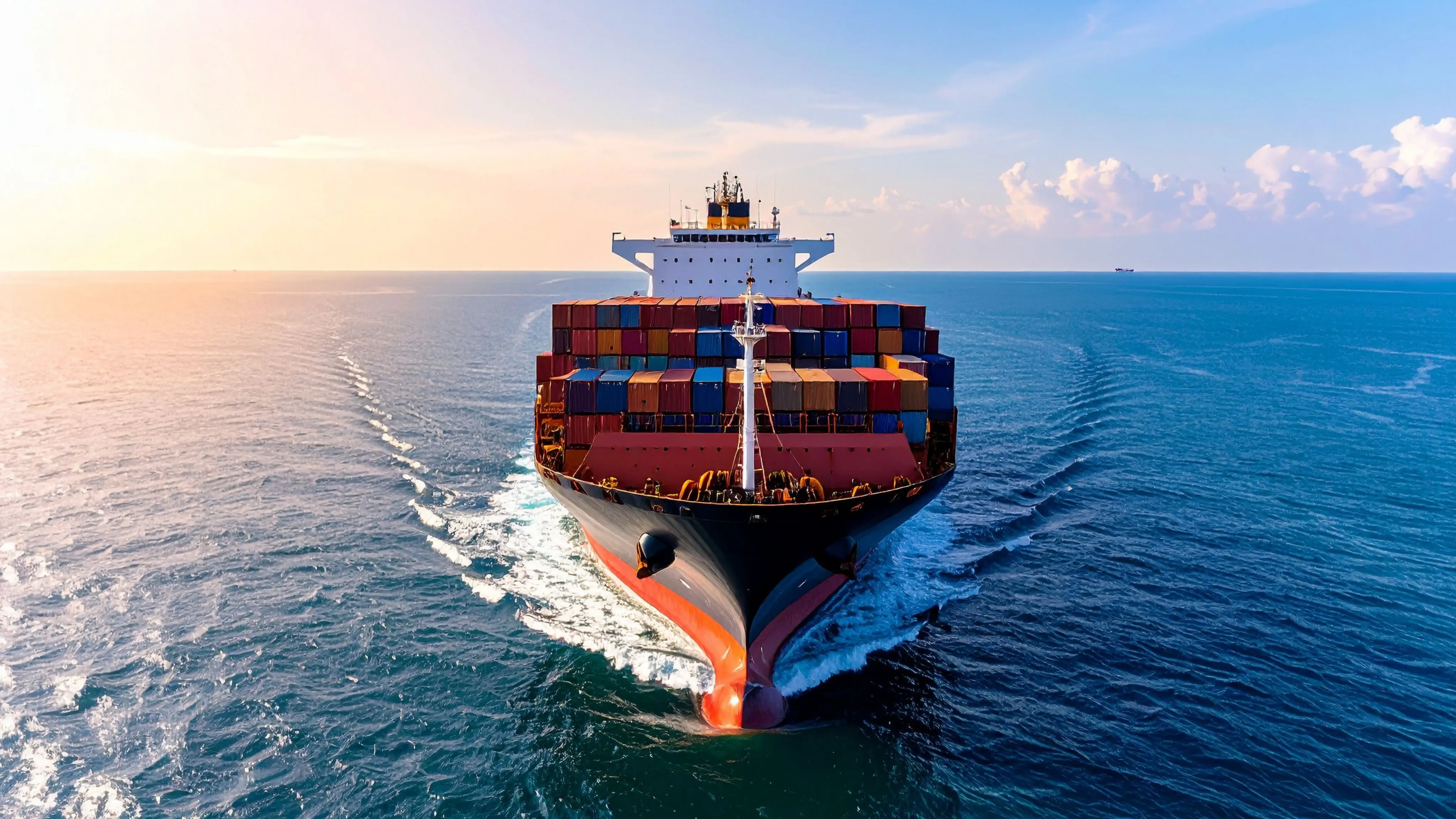
How to import from China to Colombia:
step-by-step guide 2026.
Step-by-step guide to import from China to Colombia: process, ports, transit times, DIAN customs clearance and origin control. By PLT Logistic.
Learning how to import from China to Colombia is now within reach for companies of any size, yet it remains a chain of technical decisions where a mistake at origin is paid for dearly at destination. Most problems a Colombian importer faces, such as goods that don't match the sample, delayed departures or badly issued documents that stall customs clearance, do not happen at the port of Buenaventura or at DIAN offices. They happen earlier, at the factory and at the consolidation warehouse in China, weeks before the container touches water.
This guide describes the complete process end to end, focusing on the two variables that define a successful import: control of the goods at origin and correct issuance of export documents. It is written for importers, distributors and retail companies that buy from Chinese manufacturers and want to understand each stage before committing capital.
An import from China to Colombia has four phases: supplier engagement, origin logistics, international freight and customs clearance at destination. Total time between payment and warehouse delivery by sea usually ranges from 45 to 70 days.
What importing from China to Colombia involves
An import is not a purchase: it is a logistics process with legal and operational responsibilities split between buyer, supplier and transport operators. The starting point is the Incoterm, the international rule defining where the Chinese supplier's responsibility ends and the Colombian importer's begins.
Working under FOB (Free On Board) means the supplier delivers cargo at the Chinese port and from there freight cost and risk belong to the importer. Working under EXW (Ex Works) shifts even inland transport within China to the importer. Choosing the right Incoterm is the first technical decision of the whole operation.
Colombia maintains active trade with China across retail, construction, industrial goods and private label. Colombian importers channel most ocean cargo through Buenaventura on the Pacific and Cartagena on the Caribbean. The choice of destination port shapes transit time and the cost of inland distribution to the final consumption hub.
The step-by-step process to import from China
The following flow describes the eight stages of a standard ocean operation. Each stage has concrete deliverables that must close before moving to the next.
Define product, Incoterm and budget
Before contacting suppliers, the importer defines the product's technical specification, target volume and purchase Incoterm. This determines whether cargo ships as a full container (FCL) or consolidated cargo (LCL) and allows calculating total operation cost, not just the factory price.
Verify and engage the supplier
Supplier verification, including a valid export licence, real production capacity and bank validation, happens before any transfer. This is where most capital is lost to fraud or to suppliers that are not manufacturers but intermediaries with no control over production.
Coordinate origin logistics
Once the order is confirmed, origin logistics begins: production follow-up, receipt of goods at warehouse, consolidation of several suppliers into one container when applicable, and export packing preparation. This phase determines whether cargo departs on time and in the agreed condition.
Pre-shipment inspection
Before authorising shipment, a pre-shipment inspection verifies that goods match the approved sample: quantity, specification, packing and marking. It is the last chance to stop a defective shipment while goods are still in China and the supplier has not collected the balance.
Booking and international freight
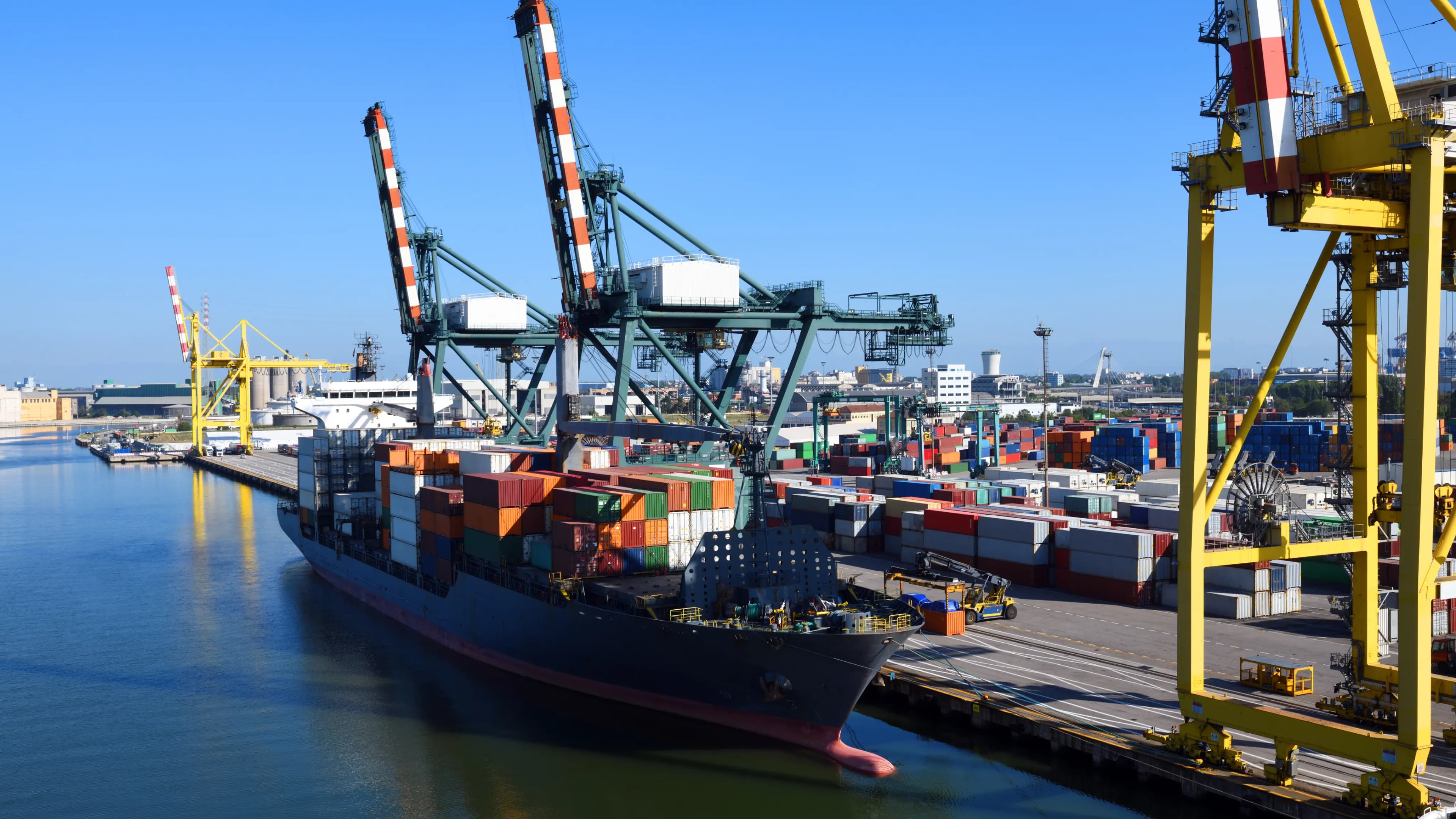
With cargo ready, the logistics operator books space with the carrier and coordinates ocean freight from the Chinese port, usually Yantian, Shanghai, Ningbo or Shenzhen, to Buenaventura or Cartagena. Here the Bill of Lading (BL) is issued, the document evidencing the transport contract and title to the cargo.
Export documentation
Supplier and operator issue the commercial invoice, packing list, BL and, depending on the product, certificates of origin or sanitary certificates. A single incorrect detail, such as a description that doesn't match the tariff heading, can stall clearance in Colombia for days.
Arrival and DIAN customs clearance
On arrival at the Colombian port, the customs agency files the import declaration with DIAN, assesses duties by tariff subheading, including tariff and VAT, and arranges release of the goods. The documentary accuracy of earlier steps determines the speed of this stage.
Inland transport and final delivery
After release, cargo moves by road from the port to the importer's warehouse in Bogotá, Medellín, Cali or the final destination, closing the full import cycle from China to Colombia.
Clearance is often delayed not by customs but by a goods description on the invoice that doesn't support the declared subheading. Such discrepancies are usually caught before shipment by checking that invoice, packing list and BL say exactly the same thing; fixing them with cargo already in Buenaventura costs days of storage.
Entry ports and transit times
Colombia has three ports relevant to cargo from China. The choice depends on the final destination of the goods and the balance between transit time and inland distribution cost.
| Port | Code | Operational profile |
|---|---|---|
| Buenaventura | COBUN | Main Pacific port. Most direct route from southern China; optimal for the southwest and central region. |
| Cartagena | COCRT | Caribbean hub with transhipment. Convenient for the north coast and regional connections. |
| Barranquilla | COBAQ | Atlantic port. Alternative for cargo bound for the north and northeast. |
From southern China ports to Buenaventura, ocean transit ranges from 20 to 30 days. The Cartagena route, usually involving transhipment, tends to add a few days depending on the export port and carrier. For urgent cargo, air freight from China to Bogotá's El Dorado International Airport cuts transit to a 3-to-7-day range at a considerably higher cost per kilo.
Costs and timelines the importer should budget
The factory price is only a fraction of total cost. A well-budgeted operation accounts for, beyond the goods value, the following items:
- Inland transport in China and consolidation when cargo comes from several suppliers.
- International ocean freight and carrier surcharges (BAF, GRI and others applicable to the route).
- Cargo insurance during international transit.
- Tariff and VAT assessed by DIAN according to the product's tariff subheading.
- Customs agency fees, port charges and inland transport in Colombia.
By sea, the time between paying the deposit and warehouse delivery in Colombia usually sits between 45 and 70 days, depending on supplier production, carrier frequency and clearance speed.
Common mistakes and how to avoid them
Three mistakes account for most losses in imports to Colombia. Recognising them before paying prevents overruns and delays.
Paying 100% upfront without inspection
Without origin verification, the importer carries all quality risk. A pre-shipment inspection before the final balance rebalances that exposure.
Underestimating documentation
A goods description that doesn't match the tariff subheading stalls clearance at DIAN. Consistency between invoice, packing list and BL is non-negotiable.
Buying from intermediaries believing they are factories
A trading company with no production control cannot guarantee lead times or specifications. Supplier verification tells the real manufacturer from the middleman.
Frequently asked questions about importing from China to Colombia
How PLT Logistic operates this process from China
PLT Logistic coordinates the operation where risk originates: in China. We operate from Guangzhou (Baiyun district) since 2018, with our own consolidation warehouse and a team that negotiates in Mandarin. We supervise production at factories in Guangdong, receive and consolidate goods, verify cargo before shipment, book freight with carriers from Yantian or Nansha and issue export documentation consistent with DIAN clearance in Colombia. The Colombian importer gets a single point of contact controlling the chain from factory to departure.
This article is written and reviewed by the operations team at PLT Logistic, a logistics operator with a physical base in Guangzhou (Baiyun district), China, since 2018. We coordinate freight forwarding, origin logistics, pre-shipment inspections and business representation in Mandarin every day for importers across Spain and Latin America.
Operational review: J. Mauricio Mosquera · Guangzhou, Guangdong · Last reviewed: 11 June 2026
You may also find this useful
 SUPPLIERS & SOURCING
What is a buying agent in China and when do you need one
What a buying agent does, how it controls supplier and goods at origin, and how it differs from the freight forwarder within a China import operation.
 Recommended guide
How to choose a supplier in China: evaluation criteria and red flags
Before committing to an order with a Chinese manufacturer, the importer needs data, not promises. Evaluation and verification process from the ground in China.
 FREIGHT FORWARDING
Freight forwarder vs customs broker: key differences
What each figure does, where responsibility starts and ends, and why importers usually need both so transport and customs clearance work together.
 FAQ
FAQBrowse the frequently asked questions
Clear answers to common questions about shipments, inspections, supplier coordination, and the import process from China.